


-

Add: HeBei ShengShi HongBang Cellulose Technology CO.,LTD.
-

Email
13180486930@163.com -

CONTACT US
+86 13180486930
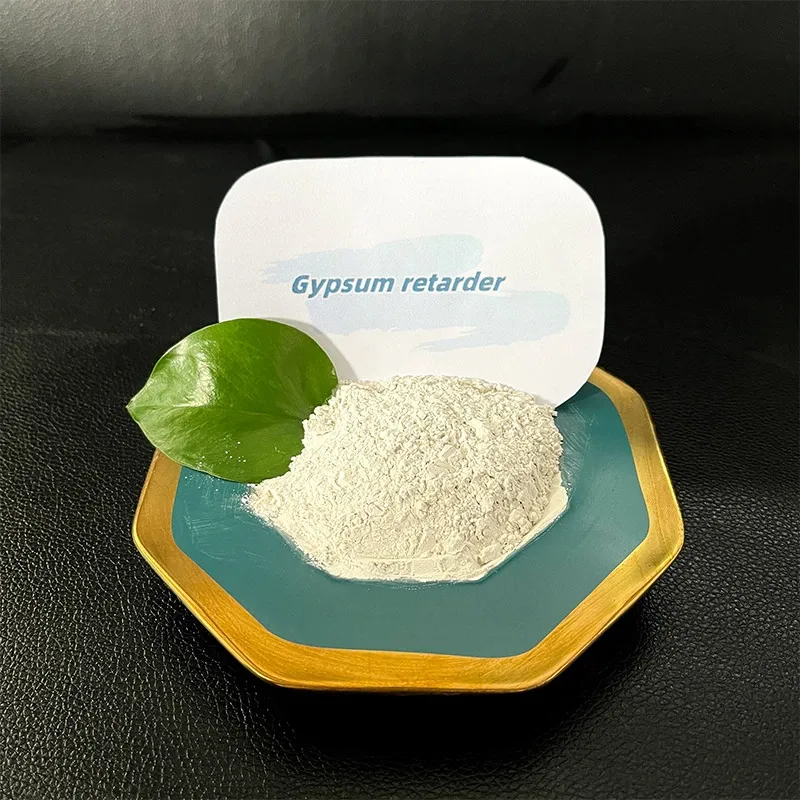

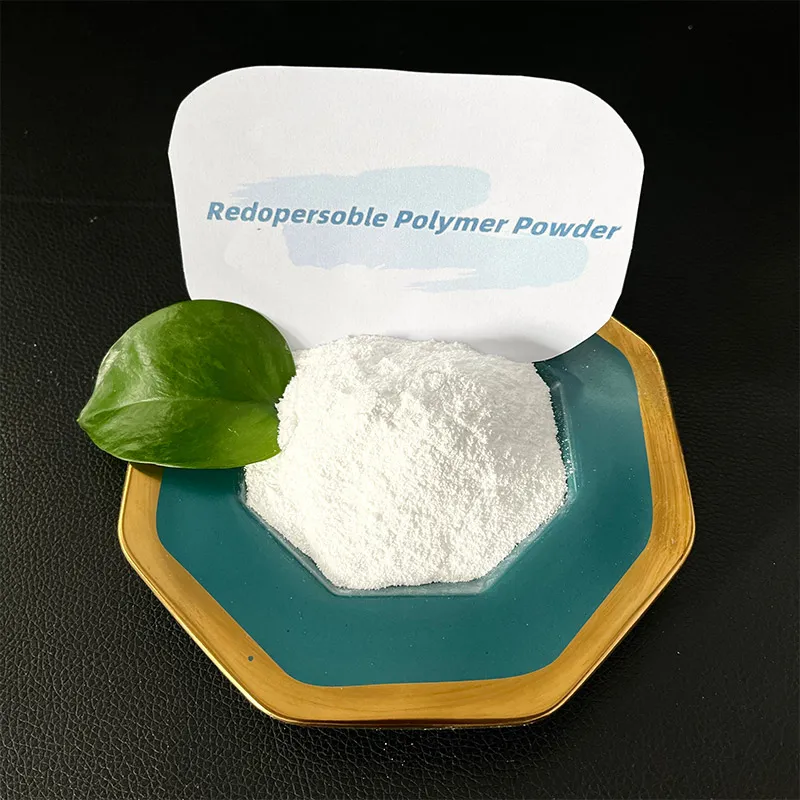




In the demanding world of construction finishes, controlling time is paramount. A plaster retarder serves as a crucial chemical admixture specifically designed to decelerate the setting reaction of plasters, primarily those based on gypsum. This deliberate delay is far from a mere convenience; it's a fundamental requirement for achieving high-quality, durable, and aesthetically pleasing surfaces. Both gypsum retarder additives and broader plaster retarder formulations work by interfering with the crystallization process of calcium sulfate dihydrate (the final set gypsum product). They adsorb onto the surface of hemihydrate particles (the main component of plaster) or complex with calcium ions in solution, hindering the nucleation and growth of the dihydrate crystals that form the hardened structure. This controlled intervention transforms the plaster from an unworkable paste into a manageable material, granting applicators the vital window needed for precise placement, thorough consolidation, intricate detailing, and achieving a truly smooth finish before the irreversible hardening occurs. Key Advantages Delivered by Gypsum Plaster Retarder The strategic incorporation of a gypsum plaster retarder unlocks a cascade of significant benefits that directly elevate the application process and the final result: Extended Workability and Application Window: This is the most immediate and critical benefit. Without a gypsum retarder , standard gypsum plasters can begin stiffening within minutes, forcing applicators into a rushed, often compromised process. A plaster retarder reliably extends the plastic state, often by 30 minutes to several hours depending on dosage and type. This allows tradespeople ample time for large batch mixing, transporting material, meticulous application over larger areas, complex mold work, detailed ornamentation, and careful finishing without the panic of the mix setting up prematurely. The pressure is removed, enabling focus on craftsmanship. Enhanced Finish Quality and Reduced Defects: Rushing plaster application is a primary cause of surface imperfections. A gypsum plaster retarder facilitates smoother troweling, easier leveling, and superior compaction. This directly minimizes the risk of air pockets, surface roughness, tool marks, and cold joints (visible lines where fresh plaster meets partially set plaster). The extended open time allows for re-troweling to achieve the desired ultra-smooth surface as the plaster begins to firm up, leading to a visibly superior finish requiring less remedial sanding. Improved Sag Resistance on Vertical and Overhead Surfaces: While extending workability, specific gypsum retarder formulations can also enhance the plaster's cohesion and thixotropy (its ability to become less viscous under shear stress, like troweling, but thicker when static). This improved body helps the plaster cling to vertical walls and ceilings during the extended working period, significantly reducing sagging or slumping before initial set occurs. This is vital for achieving uniform thickness on walls and preventing drooping on ceilings. Optimized Performance in Challenging Conditions: High ambient temperatures dramatically accelerate the setting of gypsum plaster, making summer application particularly difficult. A gypsum plaster retarder becomes indispensable in hot weather, counteracting the accelerated set and maintaining a viable working time. Similarly, when placing thick layers or using plaster in complex forms where heat buildup can occur internally, the retarder ensures uniform setting throughout the mass. Increased Flexibility for Large Projects and Complex Work: For large-scale plastering jobs, consistent workability across multiple batches is essential. A reliable plaster retarder ensures uniformity, preventing earlier batches from setting before later ones are applied. In restoration work or intricate decorative plastering involving molds and casts, the extended time provided by the retarder is non-negotiable for achieving accurate replication and detailed artistry. Reduced Material Waste: The pressure of rapid setting often leads to mixed batches hardening before they can be fully used. By significantly extending the usable life of the mixed plaster, a gypsum retarder directly reduces this form of costly material waste. Implementing Gypsum Retarder Effectively in Practice Realizing the full benefits of a gypsum retarder requires understanding its practical use: Types and Mechanisms: Common gypsum retarder chemicals include organic acids (citric acid, tartaric acid, their salts), modified carbohydrates, and certain protein derivatives. Each interacts slightly differently with the gypsum crystallization process. Liquid retarders offer ease of dosage but require careful water adjustment; powdered retarders are common in pre-mixed plasters and require thorough dry blending. Precision Dosage is Critical: The effectiveness of a plaster retarder is highly dosage-dependent. Too little provides insufficient worktime extension; too much causes severe, potentially indefinite retardation, weak final strength, surface dusting, and efflorescence risks. Manufacturers provide specific dosage ranges , which must be followed meticulously. Factors influencing optimal dosage include plaster composition, desired set time extension, water temperature, and ambient conditions. Always conduct small batch tests when changing retarder type, brand, or plaster source. Consistent Mixing and Dispersion: For powdered retarders, especially in site-mixed applications, thorough and uniform blending with the dry plaster powder before adding water is essential. Poor dispersion leads to localized areas of severe retardation and inconsistent setting. Adequate mixing time after water addition ensures the retarder dissolves and interacts effectively. Water Quality and Temperature Awareness: Hard water (high in calcium/magnesium) can sometimes interfere with certain retarders. More critically, water temperature significantly impacts set time. Using warm water accelerates the set, potentially requiring slightly higher retarder dosage; cold water slows the set. The gypsum plaster retarder dosage needs to be considered relative to the actual mixing water temperature. Environmental Considerations: While primarily focused on temperature's effect on set time, also consider humidity and airflow. Low humidity and high airflow increase evaporation, which can superficially stiffen the plaster surface even while the bulk is still chemically plastic. This might be mistaken for setting but is actually just drying. Comparing Retarder Needs: Gypsum and Other Plasters While gypsum retarder technology is highly developed due to gypsum's inherent rapid set, the need for controlled workability extends to other plaster types, though the mechanisms differ: Cement Plasters/Renders: Cement-based materials set primarily through hydration, a much slower process than gypsum crystallization. Retarders for cement (often lignosulfonates, carbohydrates, or synthetic polymers) work by delaying the hydration reactions. The focus is less on preventing flash set and more on extending workability for large pours, preventing cold joints in hot weather, or allowing time for intricate texturing. The required extension time is usually longer than with gypsum, and dosages differ significantly. A general plaster retarder label might encompass both, but specific formulations are optimized for the binder chemistry. Lime Plasters: Traditional lime plasters set very slowly through carbonation. Modern hydraulic limes set faster via hydration. Retarders for hydraulic lime plasters function similarly to cement retarders. The primary need arises in hot weather or for complex applications. Pure lime plasters rarely need chemical retardation. Specialty Plasters: Veneer plasters, gauging plasters , and synthetic resin-based plasters all have specific setting mechanisms. Each may utilize bespoke retarders tailored to their chemistry. The gypsum plaster retarder concept is most directly applicable to products where gypsum is the primary or sole binder controlling the set. FAQs about Gypsum Plaster Retarder How much extra working time can I expect from a plaster retarder? The extension provided by a plaster retarder varies significantly based on the specific retarder type, its dosage, the gypsum plaster composition itself, water temperature, and ambient conditions. Potent organic acid retarders like citrates can easily double or triple the initial working time at moderate dosages. Precise control requires consulting the retarder manufacturer's data sheets and conducting small-scale trial batches under anticipated jobsite temperatures to determine the exact dosage needed for the desired workability window. Never assume a fixed extension time. Can I add more water to extend workability instead of using a gypsum plaster retarder? Absolutely not. Adding excess water beyond the mix design requirements severely compromises the hardened plaster. It increases porosity, drastically reduces final strength and durability, promotes excessive shrinkage cracking, and leads to surface dusting. A gypsum retarder extends workability chemically without altering the critical water-to-plaster ratio, preserving the integrity and performance of the final product. How does a gypsum retarder affect the final strength? When used at the correct dosage, a quality gypsum plaster retarder has minimal negative impact on the ultimate compressive and flexural strength of the fully cured gypsum. It primarily delays the setting reaction but allows full crystallization to occur eventually. However, significant overdosing can lead to incomplete crystal formation and weaker, more porous structures, resulting in reduced strength. Proper dosage is key to maintaining strength while gaining workability. Is a gypsum plaster retarder necessary for all applications? No, it's application-dependent. For small repairs, areas easily finished quickly, or in consistently cool conditions, the natural set time of the plaster might be sufficient. However, for large ceiling or wall areas, complex shapes, intricate details, machine application, hot weather work, or projects requiring consistent batch-to-batch workability over hours, a plaster retarder is essential for achieving quality results efficiently and minimizing waste. Can I use citric acid directly as a gypsum retarder? While citric acid is a common active ingredient in many commercial gypsum retarder products, using pure food-grade citric acid is not recommended. Commercial retarders are precisely formulated blends that often include dispersants, anti-foamers, and other modifiers to ensure consistent performance, predictable retardation, good mixability, and minimal side effects like excessive air entrainment or surface blemishes. Pure citric acid can be difficult to dose accurately at the very low levels required and may lead to inconsistent results or unwanted effects. Understanding the different types of retarders, their precise dosage requirements, and their optimal use conditions is crucial for formulators and applicators alike. Whether labeled broadly as a plaster retarder or specifically as a gypsum plaster retarder , these chemical tools are indispensable for anyone committed to achieving the highest standards in gypsum-based finishes, proving that in the art and science of plastering, controlling time is synonymous with controlling quality.
- 40000tons

Production
- 20+years

Experience
- 5000+㎡

Acreage

-

Understanding Wood Composition Cellulose, Hemicellulose, and Lignin Wood is a remarkable natural material that has been utilized by humans for thousands of years, primarily due to its mechanical properties and abundance. Its structure is complex, consisting predominantly of three main biopolymers cellulose, hemicellulose, and lignin. Each of these components plays a critical role in the characteristics and functionalities of wood, making them essential to understand for applications in construction, paper production, biofuels, and more. Cellulose The Backbone of Wood Cellulose is the most abundant organic polymer on Earth and constitutes a significant portion of wood, accounting for about 40-50% of its dry weight. Structurally, cellulose is a linear chain of glucose molecules linked by β-1,4-glycosidic bonds, forming long, strong fibers that provide tensile strength and rigidity to the wood. This strength is crucial for trees, allowing them to grow tall and withstand various environmental stresses. The molecular structure of cellulose enables it to form hydrogen bonds with adjacent cellulose chains, resulting in a crystalline structure that contributes to the hardness and mechanical strength of wood. This feature is why cellulose is extensively used in the paper industry, as it can be processed into high-strength paper products. Furthermore, the properties of cellulose allow for its use in producing renewable materials like bioplastics and composites, aligning with the global trend toward sustainability. Hemicellulose The Support Structure Hemicellulose constitutes about 15-35% of wood's composition. Unlike cellulose, hemicellulose is not a single polymer but a group of heterogeneous polysaccharides with various sugar monomers, including xylose, mannose, and galactose . Hemicellulose is branched, making it less crystalline and more soluble in water compared to cellulose. This structural variance gives hemicellulose significant functional roles in wood. wood composition cellulose hemicellulose lignin Hemicellulose serves as a support structure that complements cellulose, filling the spaces between cellulose fibers and enhancing the overall integrity of the wood. It also plays a crucial role in the binding of cellulose fibers together, contributing to the wood's elasticity and flexibility. In addition, hemicellulose is important during the pulping process in paper manufacturing, as it can be partially removed to improve the quality of the final product. Lignin The Reinforcement Lignin is the most complex and largest component of the wood structure, accounting for about 20-30% of its weight. It is a polyphenolic compound that serves to waterproof and harden the cell walls of wood, contributing to its rigidity and resistance to decay. The unique structure of lignin, which is irregular and highly cross-linked, helps to bind cellulose and hemicellulose together, further reinforcing the wood’s mechanical properties. Lignin’s ability to protect the wood from microbial attack and its role in the water transport system of trees make it vital for plant health and growth. Furthermore, lignin is gaining attention in biorefinery processes as a potential renewable resource for producing biofuels, chemicals, and even biodegradable polymers. Its abundant presence in lignocellulosic biomass makes it a key player in advancing sustainable materials and energy solutions. Conclusion In summary, the wood composition of cellulose, hemicellulose, and lignin plays a pivotal role in defining the material’s physical and chemical properties. Understanding these components not only deepens our appreciation of wood as a natural resource but also opens the door to innovative applications in various industries. As we continue to seek sustainable alternatives to synthetic materials, the insights gained from the study of wood composition will undoubtedly shape the future of material science and environmental stewardship.
-
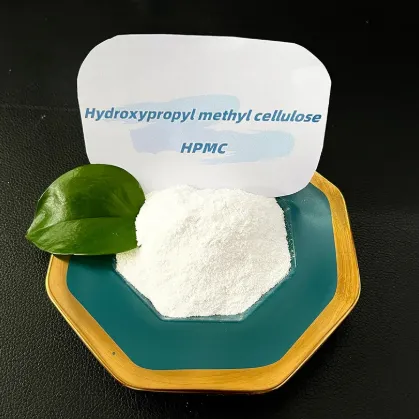
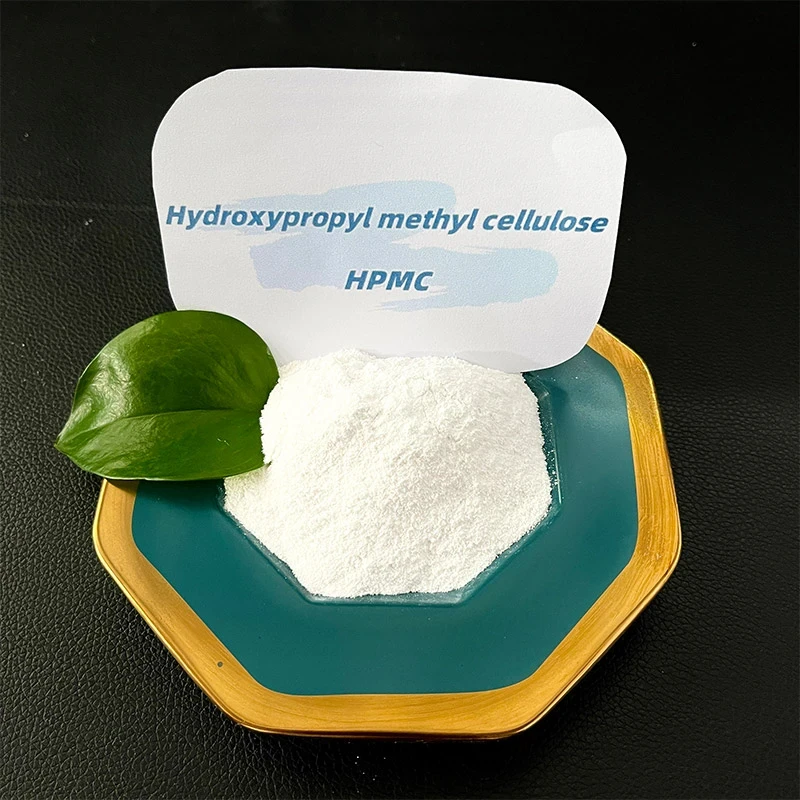
Hydroxypropyl methylcellulose (HPMC), a multifunctional polymer, serves as a key excipient in tablet formulations, playing a pivotal role in the pharmaceutical industry. Renowned for its versatile applications in tablet production, HPMC's functionalities extend to improving the physical and release characteristics of tablets, thereby enhancing the overall drug delivery system. Its frequent use arises from its non-toxic, non-allergenic properties, making it a trusted ingredient for oral delivery systems. HPMC is crucial as a binder, a film-coating agent, and a controlled release polymer. In the binding process, HPMC serves as an adhesive that holds the tablet ingredients together, ensuring structural integrity and consistency during manufacturing, transportation, and storage. Being water-soluble, HPMC easily hydrates and swells, forming a gel-like structure that aids in maintaining tablet cohesion. This characteristic dramatically minimizes the occurrence of tablet fragmentation or disintegration before it reaches the consumer, maintaining the dosing accuracy vital for therapeutic effectiveness. In the realm of film coating, HPMC provides tablets with a protective outer layer that inhibits moisture, oxygen, and light degradation—common factors that can affect the active pharmaceutical ingredients' (API) stability. The film forming capability of HPMC is instrumental in ensuring aesthetic appeal by smoothing the surface of the tablet, which can also facilitate branding through printing or distinct coloring. Additionally, the use of film coatings can assist in masking unpleasant taste and odor, further improving patient compliance. A more sophisticated application of HPMC is in controlling the release of APIs. The development of sustained-release or extended-release formulations allows a gradual release of the medication over time, which can be crucial for drugs requiring consistent blood concentration levels. HPMC achieves this by forming a gel barrier when exposed to gastrointestinal fluids, controlling the rate at which the medication is released. This controlled release mechanism provides substantial benefits such as reduced dosing frequency, improved patient adherence, and minimized side effects due to peak plasma spikes. hpmc used in tablets From an expertise perspective, the manipulation of HPMC’s molecular weight and substitution pattern allows pharmaceutical scientists to tailor its properties to specific formulation needs. This capability underscores HPMC's role in formulating both immediate and controlled-release dosage forms. Its compatibility with a wide range of active substances further validates its indispensable utility in drug formulation. Studies affirm HPMC's safety profile, with substantial documented evidence supporting its non-toxicity and tolerability, earning the confidence of regulatory bodies globally. Experts consistently endorse its use, given its minimal interaction with APIs and excipients, ensuring that drug integrity is preserved throughout the shelf life. This adds credence to HPMC's credibility and trustworthiness in pharmaceutical applications. Moreover, real-world experience attests to HPMC’s reliability . Pharmaceutical companies globally report high levels of satisfaction with its performance, notably in enhancing product stability and patient compliance. Consistent with evolving consumer demands and regulatory guidelines, HPMC continues to be at the forefront of innovation in tablet formulation technology. In conclusion, Hydroxypropyl methylcellulose remains an exemplary choice for tablet formulation due to its multifunctional attributes and unparalleled reliability. Its ability to adapt to diverse formulation needs reaffirms its status as a cornerstone of tablet technology, combining professional expertise, safety, and performance. Such features assure both manufacturers and consumers of its efficacy, safety, and continuation as a preferred excipient in tablet development.
advantages
-

200000 Viscosities
Excellent product
We can produce pure products up to 200,000 viscosities
-

40000 tons
High yield
We don’t stop production all year round, and the annual output can reach 40,000 tons
-

24 hours
Quality service
We provide 24-hours online reception service, welcome to consult at any time
———— Inquiry Form
Schedule A services

-
 epekto_ng_polypropylene_fiber_sa_kongkreto
Oct . 25, 2025
In the ever-evolving landscape of manufacturing, rubber powder has emerged as a vital component, esp -
 polymer_powder_price
Oct . 25, 2025
Die Verwendung von HPMC CMC in der modernen Industrie hat sich als bahnbrechend erwiesen. HPMC (Hydr -
 crumb_rubber_powder_price
Oct . 25, 2025
Hydroxypropyl Methylcellulose (HPMC) is a versatile compound with extensive applications across vari


